Skip to content
About
Search
Open mobile menu
Close mobile menu
Search
Close search
Companies
Gene Munster, Brian Baker
Personalized AI Subscriptions Are an Underappreciated Growth Lever For Apple and Meta
With shares of META moving higher on the potential behind Muse, it's worth noting the big picture; personalized AI subscriptions are an underappreciated AI growth lever. On the consumer side, I estimate only 2% of all daily internet users pay for an advanced model. While this opportunity directly benefits the frontier model companies, it is also a big opportunity for Meta and Apple, which are building personalized AI. For example, by 2030, I see a conservative case in which Apple increases its operating income in that year by 18% and an aggressive case in which it doubles it. For Meta, I see a conservative case of an additional 8% of operating income and an aggressive case in which it adds 80%. While the gap between conservative and aggressive is wide, it's built on a belief that these bots will be valuable to consumers and they'll be willing to pay for the technology. On the enterprise side, the average monthly AI spend per employee in the U.S. is only $13 versus the average software spend of $780, suggesting there's lots of room to grow.
Read more
Apple
,
Artificial Intelligence
,
Meta
Gene Munster, Brian Baker
Apple’s Decision to Split the iPhone Upgrade Cycle Is Working
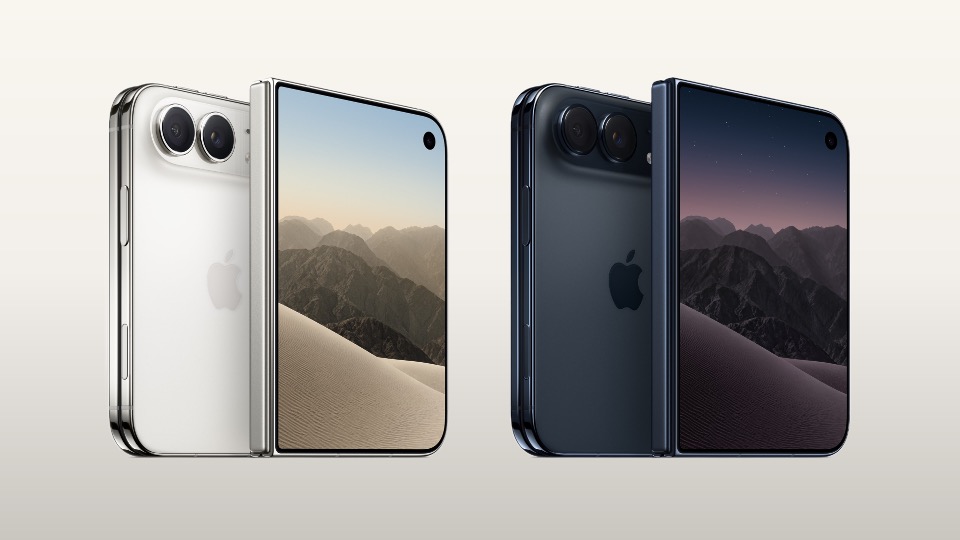
This fall, Apple split the iPhone upgrade cycle into two launches: Pro models and Duo this fall, followed by the iPhone 18, 18e, and Air in the spring. Our tracking shows Pro model pre-order lead times are about 15% longer than a year ago on launch day. Since Duo will cannibalize some Pro demand, the higher lead times suggest that some would-be iPhone 18 buyers are opting for Pro models, offsetting much of the cannibalization. Putting it all together, I think the Street is still 10% too low on iPhone revenue for FY27. We’ll get a clearer read when Duo pre-orders open on October 16.
Read more
Apple
Gene Munster, Brian Baker
Apple Will Sell More Duos Than Most Analysts Think
Shares of AAPL moved about 7% from the end of the “Surprise and Shine” event to close of market today (2.5 trading days), while the Nasdaq was flat. The move higher underscores that investors are optimistic that the new Duo will add a measurable amount to revenue in the coming year. That said, a look at FactSet analysts estimates reveal consensus revenue expectations for the next three quarters actually went down by 1% for analysts that have updated their models. The dynamic of shares of AAPL going higher while numbers are going slightly lower underscores the mixed investors feelings on the Duo topic. In the end, I expect Duo will be more successful than current expectations and account for around 12% of overall iPhone revenue in FY27, and add 3% to the company’s overall growth rates. The biggest disappoint of the event was we didn't get an update on the timing of the new Siri.
Read more
Apple
Gene Munster
Cook Did What No One Thought Was Possible
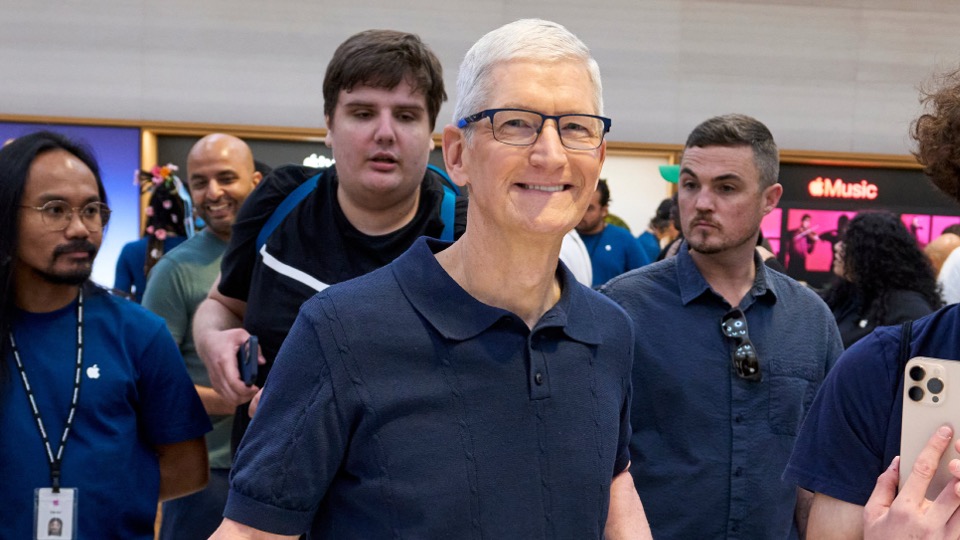
I've been dreading this day: Tim's last day as CEO of Apple. In the months leading up to his shift to chairman, I've thought a lot about his time at Apple. In the end, Tim accomplished what almost no one thought was possible. He took Jobs's greatest product, Apple itself, and shepherded it into a new era. In doing so, he drove Apple's market cap from $350B when he took over to $4.6T today. That's up about 2,300% vs. the Nasdaq, up around 900%. All that said, what I most admire about Cook is that despite all of the fortune and fame of becoming the world's most powerful CEO, he kept his North Star and always cared deeply about people. Below are the four things that stand out to me when I think about Cook's legacy.
Read more
Apple
Gene Munster, Brian Baker
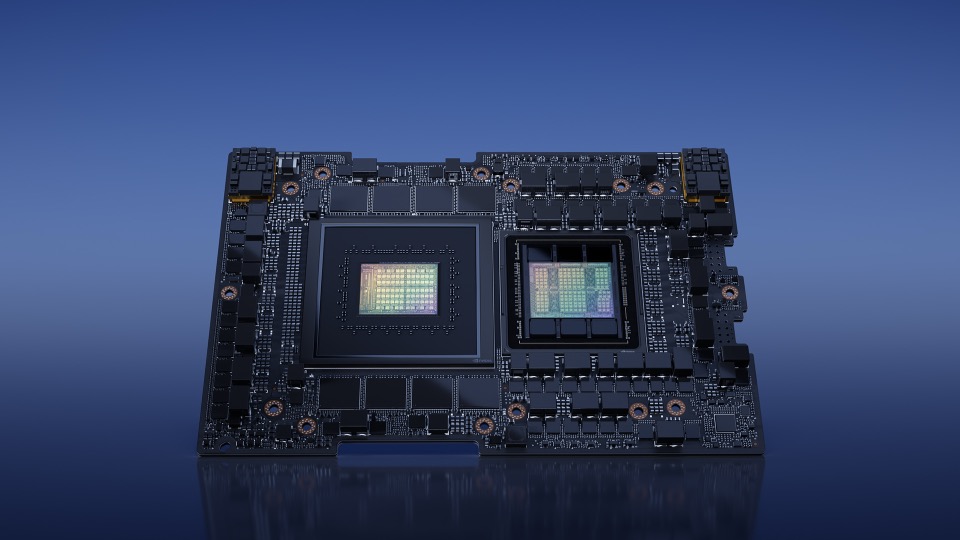
Nvidia’s CY27 Guide Shows the AI Brain Is Getting Bigger Faster
Shares of NVDA were up about 8% following earnings on management guidance for CY27 revenue growth of at least 70% versus the Street at 45%. When we factor in the impact of higher memory prices, the guide implies the world's collective AI brain will be at least 60% larger next year vs. previous expectations of a 45% increase. Demand for compute continues to run ahead of supply, and Nvidia remains the best proxy for how quickly AI data center capacity is expanding. The one negative was the margin guide, calling for them to move from 45% in the last quarter to 71-72% in the January quarter before improving to 72-73% as price increases flow through in CY27. While margins are going down, I still consider them robust (they were 59% in the pre-AI-boom CY22). Post-earnings, the company announced it has acquired Hugging Face, showing Jensen is building an open-source hedge against hyperscalers that are pushing harder into custom silicon.
Read more
Nvidia
Gene Munster, Brian Baker
Nvidia Preview: The Growth Baton Shifts Away from the Hyperscalers
Nvidia reports its July quarter results on Wednesday, August 26. I expect them to do what they have done over the past few quarters: beat by 4% and raise revenue guidance for October by 3%. Given that last quarter they began to break out data center growth between hyperscalers and ACIE, the topic of growth rate trends within those segments will be a focus. I believe investors will want to see hyperscaler growth rates above 80% y/y (vs. 115% last quarter) and ACIE above 150% (vs. 74% last quarter). In other words, investors want to see that the growth baton has been handed to ACIE, given that group has more potential to drive long-term growth. The one wildcard, SpaceX, which I estimate accounted for about 4% of revenue in July, has the potential to become a 10% customer by the end of CY27. That means that SpaceX alone can drive hyperscaler capex growth in CY27 to above 68%, compared to the Street, which is currently at 38%. As for the stock, it's in a catch-22. Any upside they produce makes the out-year growth more difficult, a dynamic that mutes any upside to shares.
Read more
Nvidia
Gene Munster, Brian Baker
Grok Is Making a Run at the Top of the AI Leaderboard
This week, the new Grok 4.6 moved from 8th to 4th place on the key AI model intelligence leaderboard. That’s noteworthy because over the last couple of years the model has been between 6th and 15th place. The move to 4th is impressive, but in the AI model leapfrog game the future position is debatable. I believe Grok’s trend in model intelligence will continue to improve relative to the competition over the next 6 months, yielding a top spot early in 2027. That’s important because in the long term, premium models will enjoy pricing leverage.
Read more
SpaceX
Gene Munster, Brian Baker
SpaceX Investors Are Missing the Point on Capex
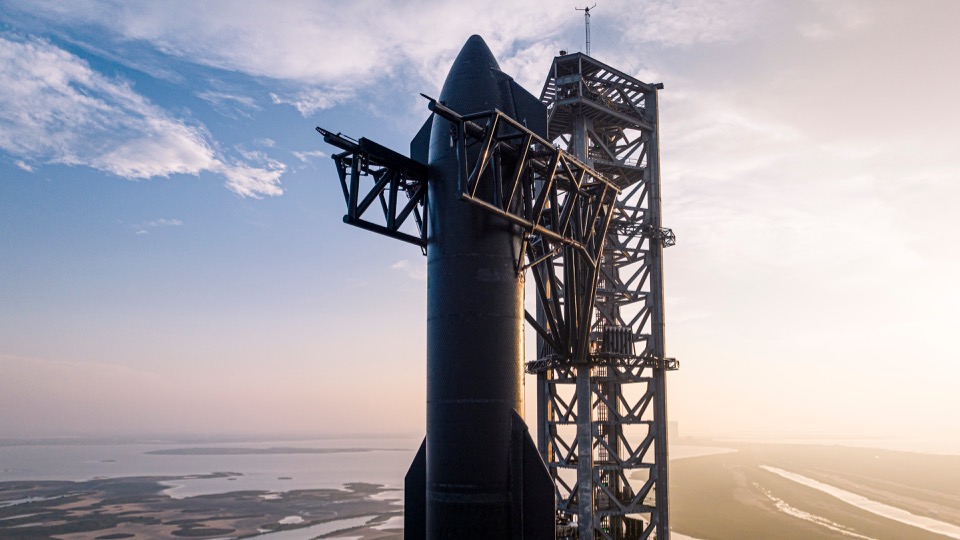
SpaceX shares were down 14% after its first quarter as a public company, despite June revenue beating Street expectations by 13%. The primary reason for the slide is that capex in the September and December quarters will be about 65% above the Street. This is the same investor capex concern that has plagued big tech for the last year, around the prospects that spending will dilute profits into perpetuity. While the concern is valid in some circumstances, it does not apply to SpaceX, which has the most aggressive vision: building a vertically integrated AI company. Revenue guidance, which centered on a $100B revenue run rate exiting 2026, implies about $22B in the December quarter, about 17% above the Street. The bottom line is the SpaceX business has grown and will continue to grow at 100%+ for the next couple of years, and investments in capex should ensure an impressive growth rate through 2030.
Read more
SpaceX
Apple’s September Outlook Was Not as Bad as It Looked
Over the past three months, shares of AAPL are up 22% (Thursday’s close), compared with the Nasdaq, which is up 1%. That makes the 7% drop in shares following earnings and guidance more palatable. In after-hours trading, shares traded down 3% following the June quarter results, which overall were only slightly ahead of expectations. The stock dropped an additional 4% on the September guide, which called for revenue growth of 9–11%, compared with the Street at 12%. I believe the guide would have called for 15% if not for supply constraints and FX. Either way, numbers are going down, and that understandably doesn’t sit well with investors. I believe that in the weeks to come, investors will step back and realize the guide was actually favorable relative to expectations. P.S. Don’t forget we may get a foldable iPhone this fall.
Read more
Apple
Gene Munster, Brian Baker
Poll: Daily Usage of Siri among iPhone owners is 17%; That Will Change
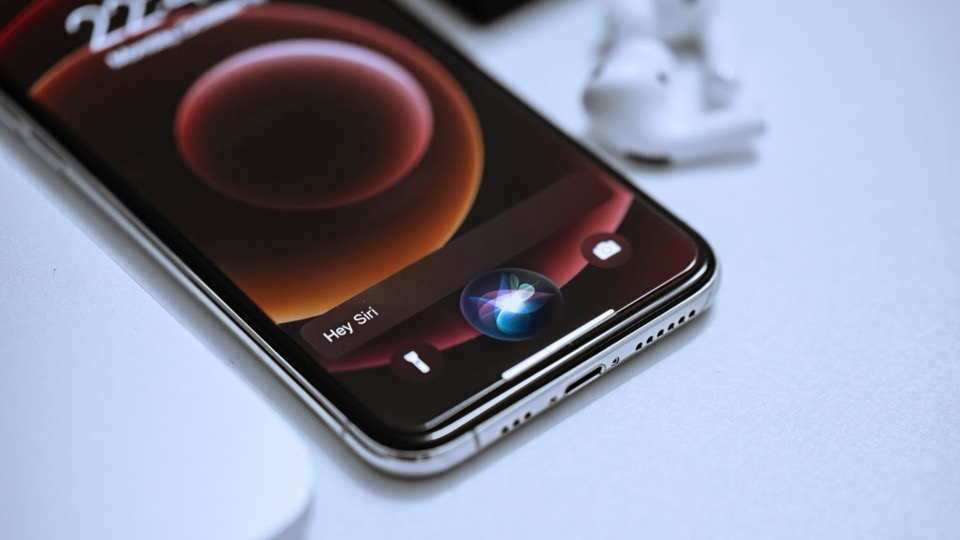
Our X poll found that only about 17% of US iPhone users use Siri daily, a low number considering the phone on average is interacted with a hundred-plus times a day. Today it's used for low-stakes tasks and not trusted as an assistant. Over the next year, that will begin to change with the new Siri expected to be available late this year in the US through an iOS 27 update. We found the feature to be slow in our beta testing over the past 20 days, which was more than offset by an AI assistant that just works. Ultimately, I believe the use of Siri, which is core to Apple's personalized AI, will be the foundation of the Apple devices' value proposition.
Read more
Apple
Gene Munster, Brian Baker
Google’s Capex Guide Stings a Cloud Blowout
Google’s June quarter should have worked. Cloud revenue was up 82% y/y versus the Street at 63%. My first reaction was the stock should be up 5%. Instead, shares fell 7% in the two trading days following the print compared to the Nasdaq down 3%. The reason is investors are still stuck on the same two issues: capex and cloud margins. The company raised CY26 capex expectations by about 7% relative to the Street's and said significant investment will continue. On top of that, cloud margins are likely to decline in the back half of the year as Google uses third-party capacity to meet demand. My take is the capex and margin concerns are real near-term, but the more important point is that cloud demand is still running well ahead of supply.
Read more
Google
Gene Munster, Brian Baker
Tesla’s Long-Term Physical AI Leadership Intact Despite Margin and Capex Concerns
Shares of TSLA were down 16% over the two days following the company's June results compared to the Nasdaq down 3%. The pressure came from two places: automotive gross margins and capex. Auto gross margins ex credits came in at 16.3%, below the Street at 18.5% and below the adjusted March quarter run rate of around 18%, breaking a five-quarter upward margin trend. The second issue is the company expects capex in 2027 to be “massive,” suggesting the Street's $21B estimate will be above $25B, pushing operating cash flow negative for the next six quarters. I believe those two issues are near-term in nature. The company will still have between $20B and $25B in cash at the end of 2027 compared to the $43.5B reported today (Cash, cash equivalents and short-term investments), and most importantly is investing in high-growth, high-barrier-to-entry markets around physical AI.
Read more
Tesla
Load More
Back To Top
Search