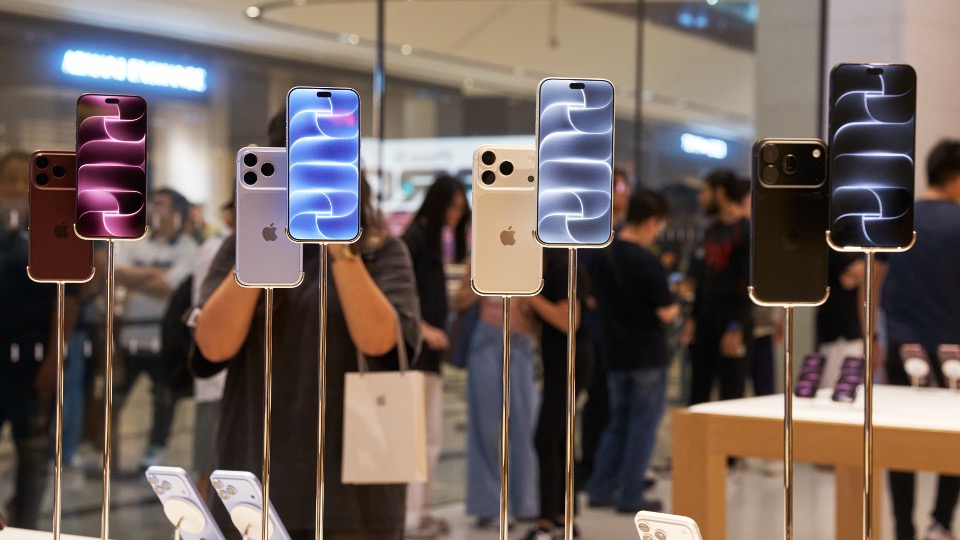
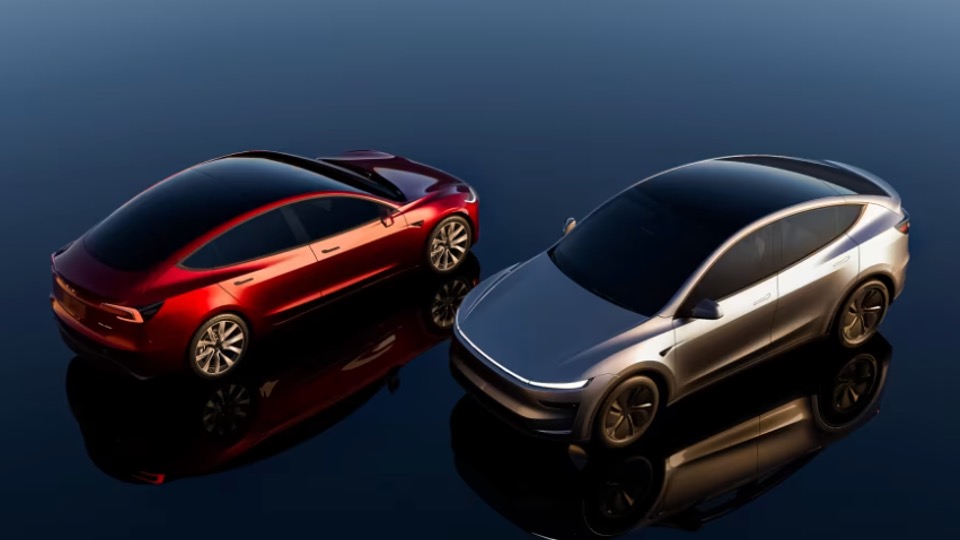
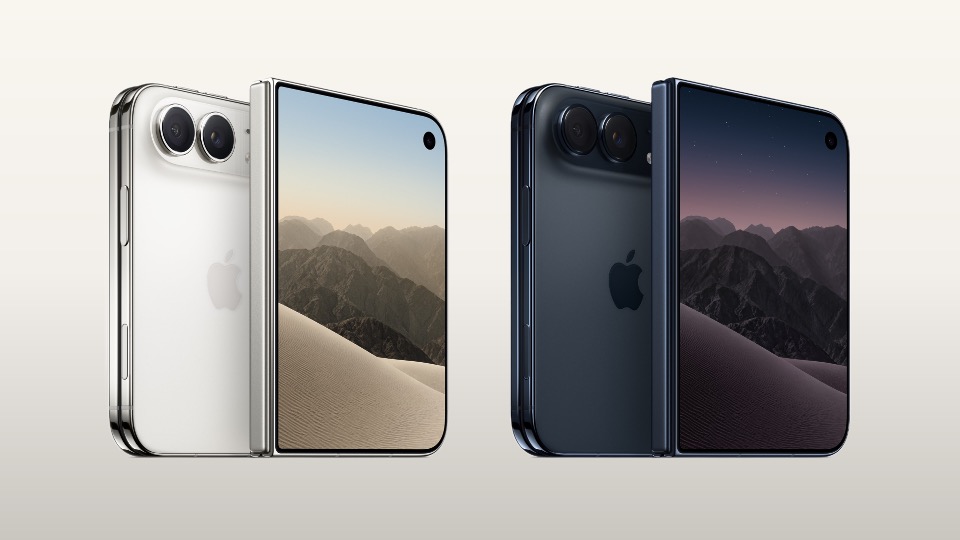
Seeking clarity on where the world is going. And beyond. Companies of Note Gene Munster, Brian BakerEven With Fractional Units Duo Moves the Revenue NeedleMy initial read on the first hour of the Duo launch is that lines are surprisingly long given the high price point. My confidence in my estimate calling for 20m units in FY27 (7% of total iPhone units) inched up…Read more Apple Gene Munster, Brian BakerPhone Cycle Still Off to a Solid Start Despite Falling Lead TimesOn Sep 18th, I wrote about the lead times for the iPhone 18 Pro lineup and concluded that Apple's decision to split the cycle is working. At the time, the Pro lead times were running 15% longer than last year and the Pro Max 18% longer. Since Duo will cannibalize some Pro demand, the higher lead times suggest that some would be iPhone 18 buyers are opting for Pro models, offsetting much of the cannibalization. Since then, lead times have dropped and are now 31% shorter for the Pro and 1% longer for the Pro Max. While the drop is concerning, the fact that the Pro Max remains in line with last year should be viewed as a bigger positive than the falloff in Pro lead times, given it's still surprising that the lead times for both models aren't 20% lower than last year in the face of the Duo launch (pre-orders started on Sep 16).Read more Apple Gene Munster, Brian BakerLet’s Set Aside the Pleasantries, Tesla Is Going to Crush Traditional AutomakersIt's going to get ugly for traditional car makers. Tesla deliveries were down 2% y/y in September, compared to Ford and GM, which reported EV deliveries down about 75%. After two years of declines in deliveries, down 1% in CY24 and down 9% in CY25, Tesla's car business has returned to growth for two consecutive quarters (I estimate they would have been up around 8% this Sept. if you adjust for the U.S. tax credit ending last Sept.). While the high gas prices are lifting all EV makers' sales (Ford and GM would have been even worse if not for the high prices at the pump), Tesla is winning because they have the best value and buyers are increasingly prioritizing FSD in their decisions. Those two tailwinds are sustainable and will likely lead to deliveries next year increasing by around 15% vs the Street's current estimate of up 9%. P.S. More deliveries mean more shots on goal for selling FSD and training FSD to be better.Read more Tesla Gene Munster, Brian BakerPersonalized AI Subscriptions Are an Underappreciated Growth Lever For Apple and MetaWith shares of META moving higher on the potential behind Muse, it's worth noting the big picture; personalized AI subscriptions are an underappreciated AI growth lever. On the consumer side, I estimate only 2% of all daily internet users pay for an advanced model. While this opportunity directly benefits the frontier model companies, it is also a big opportunity for Meta and Apple, which are building personalized AI. For example, by 2030, I see a conservative case in which Apple increases its operating income in that year by 18% and an aggressive case in which it doubles it. For Meta, I see a conservative case of an additional 8% of operating income and an aggressive case in which it adds 80%. While the gap between conservative and aggressive is wide, it's built on a belief that these bots will be valuable to consumers and they'll be willing to pay for the technology. On the enterprise side, the average monthly AI spend per employee in the U.S. is only $13 versus the average software spend of $780, suggesting there's lots of room to grow.Read more Apple, Artificial Intelligence, Meta Gene Munster, Brian BakerApple’s Decision to Split the iPhone Upgrade Cycle Is WorkingThis fall, Apple split the iPhone upgrade cycle into two launches: Pro models and Duo this fall, followed by the iPhone 18, 18e, and Air in the spring. Our tracking shows Pro model pre-order lead times are about 15% longer than a year ago on launch day. Since Duo will cannibalize some Pro demand, the higher lead times suggest that some would-be iPhone 18 buyers are opting for Pro models, offsetting much of the cannibalization. Putting it all together, I think the Street is still 10% too low on iPhone revenue for FY27. We’ll get a clearer read when Duo pre-orders open on October 16.Read more Apple Gene Munster, Brian BakerApple Will Sell More Duos Than Most Analysts ThinkShares of AAPL moved about 7% from the end of the “Surprise and Shine” event to close of market today (2.5 trading days), while the Nasdaq was flat. The move higher underscores that investors are optimistic that the new Duo will add a measurable amount to revenue in the coming year. That said, a look at FactSet analysts estimates reveal consensus revenue expectations for the next three quarters actually went down by 1% for analysts that have updated their models. The dynamic of shares of AAPL going higher while numbers are going slightly lower underscores the mixed investors feelings on the Duo topic. In the end, I expect Duo will be more successful than current expectations and account for around 12% of overall iPhone revenue in FY27, and add 3% to the company’s overall growth rates. The biggest disappoint of the event was we didn't get an update on the timing of the new Siri. Read more Apple Gene MunsterCook Did What No One Thought Was PossibleI've been dreading this day: Tim's last day as CEO of Apple. In the months leading up to his shift to chairman, I've thought a lot about his time at Apple. In the end, Tim accomplished what almost no one thought was possible. He took Jobs's greatest product, Apple itself, and shepherded it into a new era. In doing so, he drove Apple's market cap from $350B when he took over to $4.6T today. That's up about 2,300% vs. the Nasdaq, up around 900%. All that said, what I most admire about Cook is that despite all of the fortune and fame of becoming the world's most powerful CEO, he kept his North Star and always cared deeply about people. Below are the four things that stand out to me when I think about Cook's legacy.Read more Apple Load More