
Skip to content
Poll: Daily Usage of Siri among iPhone owners is 17%; That Will Change
Apple
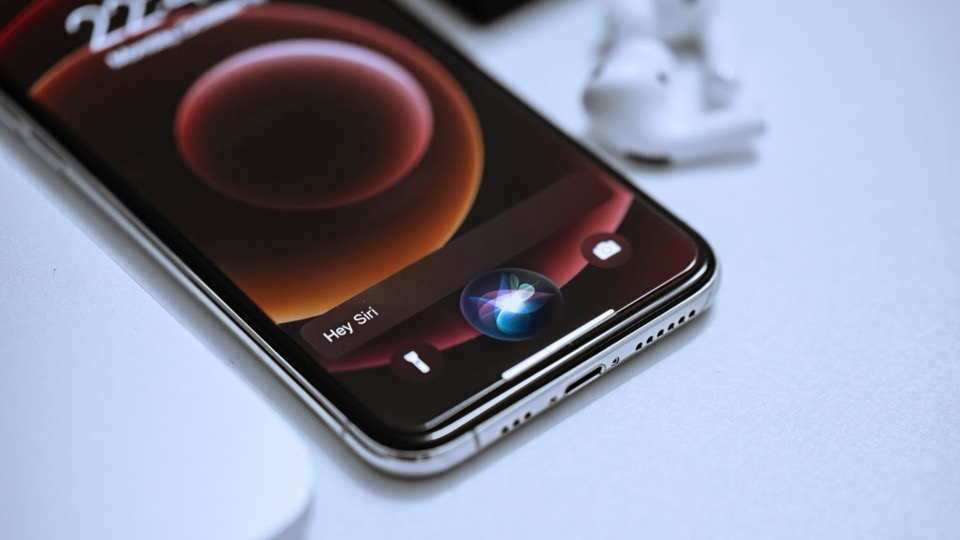
Our X poll found that only about 17% of US iPhone users use Siri daily, a low number considering the phone on average is interacted with a hundred-plus times a day. Today it's used for low-stakes tasks and not trusted as an assistant. Over the next year, that will begin to change with the new Siri expected to be available late this year in the US through an iOS 27 update. We found the feature to be slow in our beta testing over the past 20 days, which was more than offset by an AI assistant that just works. Ultimately, I believe the use of Siri, which is core to Apple's personalized AI, will be the foundation of the Apple devices' value proposition.

Key Takeaways

Only about 17% of iPhone users use Siri daily for low-stakes tasks, underscoring how weak its brand is. That usage will slowly change following the multi-year rollout of the new Siri.
Siri AI is the first must-have personalized AI feature, useful enough to reduce friction across everyday tasks (and will only get better).
1

How Often Do iPhone Users Use Siri?

We ran a simple one-question poll on X asking, “How often do you use Siri?” The poll drew 1,750 votes. The raw results showed daily Siri use at a low 17%, with 39% reporting they never use it. As a daily Siri user, these numbers caught my attention, underscoring the degree of brand damage the feature has endured over the past decade.

  • Daily: 17%
  • Weekly: 7%
  • Rarely: 37%
  • Never: 39%

The comments were more telling than the poll. Across 64 replies, the message was clear and expected: Siri survives as a basic utility or shortcut, not an assistant.

The most common use cases were making calls and setting timers, alarms, and reminders. Low-stakes, hands-free commands. A few users mentioned home automation routines like “good morning” or “good night” for lights and curtains. One noted using Siri through AirPods in the kitchen to pause or rewind podcasts when their hands were dirty.

The bottom line is that use cases are limited, useful, and far from must-have.

Beyond those tasks, sentiment was mostly negative. Many respondents described their usage as minimal, reluctant, or abandoned altogether. Phrases like “as little as possible,” “never,” and “completely abandoned it” showed up. The common comparison was to newer voice AI. After using ChatGPT, Grok, Claude, or even Alexa, several users described Siri as far behind for anything beyond basic commands.

My takeaway: Siri today is, on average, not trusted. It works for a narrow set of commands where the cost of failure is low.

The question is, once Siri gets overhauled, will the 83% of users who question its utility give it another try? I believe the answer is yes.

2

The New Siri

Siri AI, Apple’s new version of Siri in iOS 27, is available today through the public beta and is expected to be fully released by the end of this year, likely after the initial iPhone 18 lineup launches. It’s designed to become a single push button for nearly every type of task across four areas: personal context, on-screen awareness, world knowledge, and in-app actions.

Personal context: This is one of the two areas where Apple shines. Siri can search across your messages, email, photos, and calendar to find information specific to you. For example, you could ask it to find the restaurant that your friend recommended or tell you when your next dentist appointment is. This is the more important category and the area where Apple has a true advantage in personal data. My take: I found that 70% of my usage is for a personalized context task.

In-app actions: This is the second area where Apple shines. Siri can complete tasks across multiple apps without requiring you to move information manually. For example, it could pull a tracking number from an email and create a reminder, or find a PDF in Mail and attach it to a text message. My take: I found that 30% of my usage is for a personalized context task.

On-screen awareness: Siri understands what is currently displayed and can answer questions or take action based on it. For example, you can ask Siri to look at the photo on your screen of a golf course and ask where it is, what it is called, and its history. My take: This is nice because it’s built into iOS, so I don’t have to screen grab and drop into a chatbot.

World knowledge: Siri can search the web, answer open-ended questions, and handle follow-ups. For example, you could ask what a beginner should score on a par-72 course, then ask what part of your game you should improve to break 100. My take: It’s just as easy to ask a chatbot.

As for the state of the beta, it’s not perfect. It is noticeably slower and uses more battery. But the tradeoff is worth it because it unlocks more utility from the phone. Everyday tasks that used to require several taps, searches, and app switching now happen faster and with less friction.

Siri came out 16 years ago, and in its teens, it’s setting up for a growth spurt.

Disclaimer

Back To Top