Skip to content
About
Search
Open mobile menu
Close mobile menu
Search
Close search
Tesla
Gene Munster, Brian Baker
Investors Give Musk a Mandate: Go for It
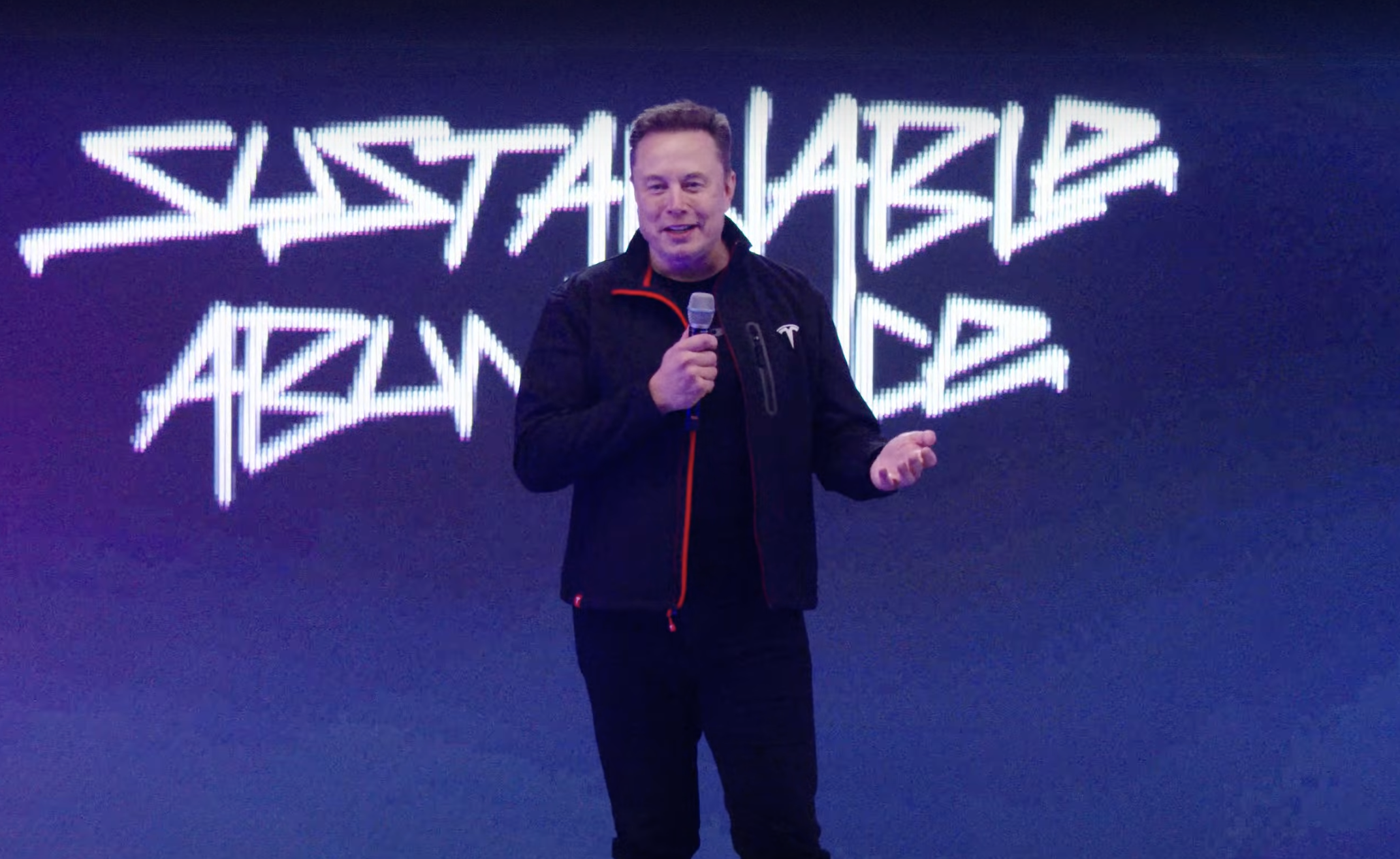
The shareholder meeting was a good day for Elon. Investors overwhelmingly approved his $1T pay package with more than 75% in favor. That's a win for TSLA investors for two reasons. First, it gives Elon the control and financial carrot he wanted, which means he will stay engaged at Tesla. Second, the high level of support likely means investors will continue to look past near-term challenges and stay the course with hope for the long term. Elon made it clear that the long term is anchored in the success of Optimus. Separately, during Musk's presentation and Q&A, he floated the idea of building a fab, an outcome I put in the unlikely category over the next five years.
Read more
Tesla
Gene Munster, Brian Baker
Tesla at an Asinine Fork in the Road
On Thursday after the markets close we'll find out if Musk's pay package is approved by shareholders. While the $1 trillion in potential payouts grabs headlines, what's at stake goes beyond compensation, it's about control of the company. I believe the package will pass. If I’m wrong and it’s voted down, my sense is that this has become personal. While he likely wouldn’t outright quit Tesla, he would meaningfully reduce his time at the company. In the end, a “No” vote would be a loss for Tesla investors.
Read more
Tesla
Gene Munster, Brian Baker
Tesla’s September Quarter Key Takeaways
The September numbers and earnings call were largely uneventful with a slight negative around some recalibration investors will be making on the timing of unsupervised Robotaxi and FSD. The big picture remains intact: Tesla is the best-positioned company for AI…
Read more
Tesla
Gene Munster, Brian Baker
Tesla Preview: Delivery Pressure More Than Offset by Autonomy Optimism
Shares of TSLA are up 35% since June earnings, compared to the Nasdaq’s 9% gain. While the bar may appear high heading into Wednesday’s report, I see most paths pointing to shares continuing higher. Investors have fully bought into the company’s long-term vision, and that vision will be reiterated on the call.
Read more
Tesla
Gene Munster, Brian Baker
Model Y Price Cut Is a Positive; the More Affordable Version Likely Moves to 2027
Tesla surprised investors by announcing that the rumored cheaper, slimmed down Model Y is essentially the same as the standard version, just with fewer color, wheel and seat options, priced at $40K, down 11% from $45K. This move signals that Tesla is becoming more aggressive in selling the Model Y in a post–tax credit world, which should help deliveries grow 16% next year (per Street estimates) compared to a 9% decline this year. I believe a truly affordable $30K model is still in the works for 2027, which will be key to winning autonomy.
Read more
Tesla
Gene Munster, Brian Baker
Tesla Deliveries Blow Past High Expectations, Lay Groundwork for Autonomy
September deliveries of 497k were well ahead of the 475k high-end of the whisper, up 7% y/y after being down 13% in June and March. I believe the vast majority of the upside was driven by a 35% quarter over quarter jump in US sales from the tax credit, which in theory means investors should largely throw out the positive number. My "throw it out" logic misses a bigger point; the future will be autonomy and the ability to get EV units in the market profitably is a key competitive advantage. On that measure, the September deliveries are a long-term win for the company.
Read more
Tesla
Gene Munster, Brian Baker
Tesla Delivery Preview: Throwaway Sept & Start Thinking About 2027, Yes 2027
Patience is both a virtue and a necessity when investing in TSLA. September deliveries will likely exceed a whisper number that has taken off in the past three weeks and now sits between 470–475k. That said, investors will throw away the good news given it was driven by the U.S. EV tax credit pulling demand forward. The real story comes on the September earnings call when we hear about the 2026 outlook and what that means for 2027.
Read more
Tesla
Gene Munster, Brian Baker
The End of the EV Tax Credit Is Likely a Long-Term Win for Tesla
The ending of the U.S. EV tax credit will prove to be a long-term win for Tesla, given it lured traditional automakers into slowing their investment in electrification while Tesla builds an advantage in autonomy. This marks an exclamation point on a consumer shift away from EV adoption that I did not anticipate. I now expect about 25% of cars sold in the U.S. in 2030 to be fully electric, compared with my 50% forecast five years ago. Traditional automakers are more skeptical and see little motivation to prioritize EV investment in the near term. In the end, I stand by my conviction that EVs’ cost and performance benefits, particularly in autonomy, will win consumers over. Traditional automakers are making a mistake by pulling back. By slowing EV development to save costs today, they risk being caught unprepared to capitalize on autonomy tomorrow.
Read more
Tesla
Gene Munster, Brian Baker
Ahead of the EV Tax Credit Sunset, Big Auto Faces an EV-Autonomy Catch-22
At the end of the month, the U.S. EV tax credit will sunset, which may explain why in August Ford and GM reset their EV plans and in September VW cut its U.S. 2030 EV target to 20%, down from 50% three years ago. This tempered EV outlook contrasts with increasing investments into autonomy, pushing these companies into a Catch-22: saving money by slowing the path to electrification dampens the autonomy reward.
Read more
Autonomous Vehicles
,
Google
,
Ridesharing
,
Tesla
Gene Munster, Brian Baker
Tesla Board Shifts into Ludicrous Mode, Opens Path to Fairy Tale Ending
I consider myself grounded in reality. The reality is that a fairy tale Tesla $8.5T market cap is on the table. Tesla’s board has made it clear that they want Elon’s attention on the company, and they are willing to make it worth his time with a potential $1T pay package. The numbers are mind blowing and achievable if Musk commercializes physical AI through FSD, robotaxi, and Optimus. One final lever would likely involve combining Tesla with xAI.
Read more
Tesla
Gene Munster, Brian Baker
Samsung Deal Highlights Tesla’s Physical AI Lead and Begs the Question How Long the Wait for True Autonomy
Tesla’s chip deal with Samsung underscores how far ahead it is of traditional car makers when it comes to building physical AI and the long game of autonomy. The AI6 chip (Hardware 6) should ramp in 2027. As a reminder, the company is expected to ramp A15 (Hardware 5) next year. While more powerful hardware is always better, the deal with Samsung raises the question: is Tesla signaling that the breakthrough moment in FSD will be powered by the A16 in 2027? The question comes from the reality that Robotaxi in Austin and the Bay Area remain limited in scope, likely because of the number of interventions in Austin. I expect the stock will trade on concrete signs of progress, including expansion of the service area, number of vehicles, or moving from private to public availability.
Read more
Tesla
Gene Munster, Brian Baker
While Investors Wanted to Hear More About Austin Robotaxi, the Autonomy Prize Remains in Reach
Shares of TSLA declined by 4% in after-hours trading as investors wanted to hear more from the company about expected progress this quarter for Robotaxi in Austin. While the disappointment is understandable, it doesn't change the fact that Tesla is still best positioned to capitalize on autonomy and physical AI long term. As for deliveries, they should quicken in mid 2026 as the new, more affordable model begins to aggressively ramp.
Read more
Tesla
Load More
Back To Top
Search