
Skip to content
Model Y Price Cut Is a Positive; the More Affordable Version Likely Moves to 2027
Tesla
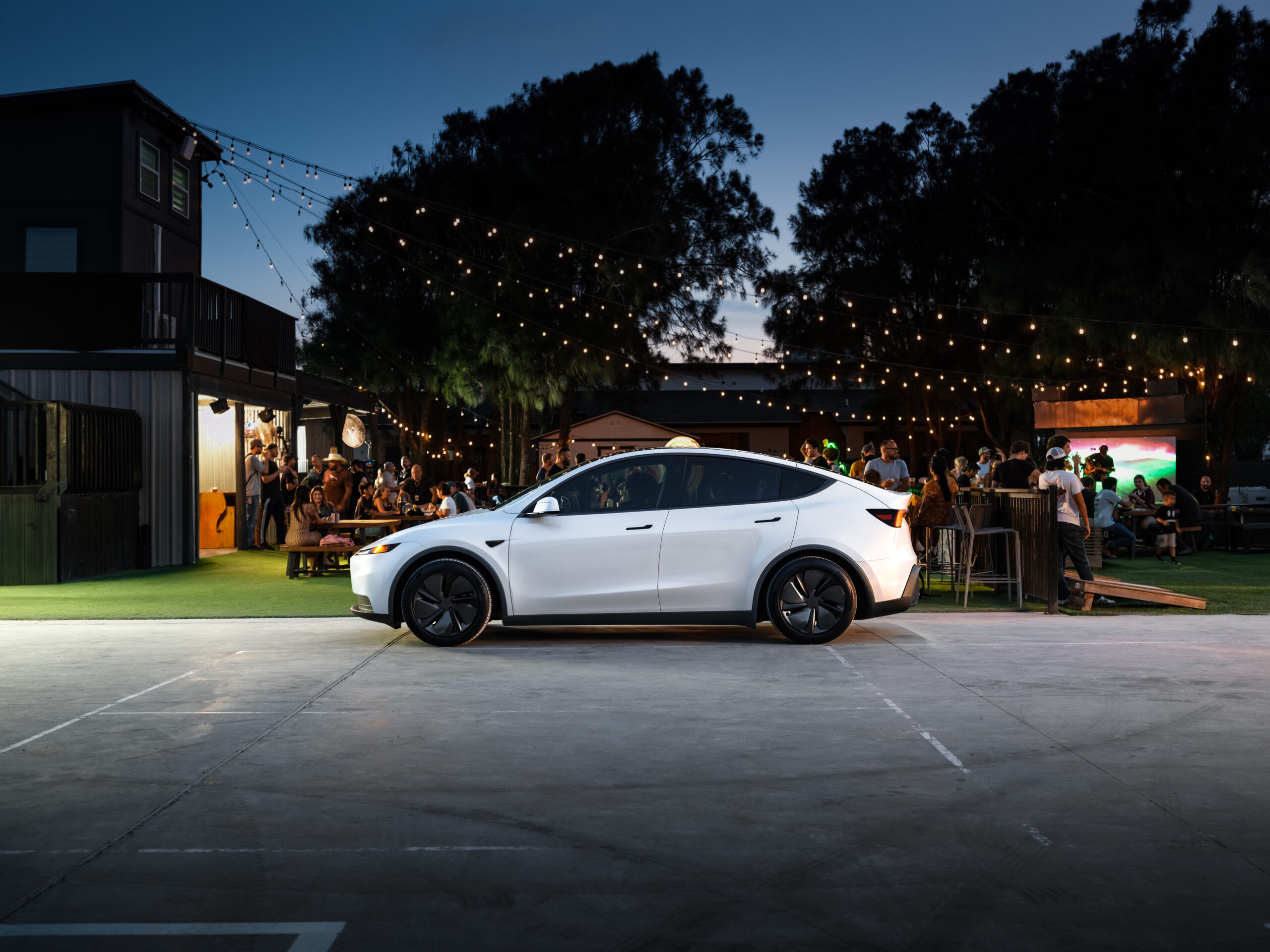
Tesla surprised investors by announcing that the rumored cheaper, slimmed down Model Y is essentially the same as the standard version, just with fewer color, wheel and seat options, priced at $40K, down 11% from $45K. This move signals that Tesla is becoming more aggressive in selling the Model Y in a post–tax credit world, which should help deliveries grow 16% next year (per Street estimates) compared to a 9% decline this year. I believe a truly affordable $30K model is still in the works for 2027, which will be key to winning autonomy.

Key Takeaways

The Model Y is now 11% cheaper, starting at $40K. This helps offset the roughly 15% price increase that about 75% of U.S. buyers faced after the expiration of the tax credit.
My sense is we’ll get a cheaper $25–30K version, but we’ll have to wait until 2027. That’s key to winning autonomy.
1

Tesla is making up most of the tax credit difference.

The September U.S. deliveries were off the charts. By my estimates, Tesla’s U.S. deliveries increased 28% quarter over quarter as buyers rushed to purchase ahead of a 15% effective price increase starting October 1, when the EV tax credit expired.

That surge in sales highlights an important reality: demand for cars increases by more than the reduction in price.

Tesla didn’t waste any time countering the loss of the tax credit. The company effectively lowered the Model Y’s price from $45K to $40K and the Model 3’s price from $39K to $37K.

While the new entry models lack some premium features, such as paint color choices, wheel options, and upgraded interiors, they’re essentially the same vehicles. My sense is that the negative impact of lower prices on margins will be offset by the positive impact of higher volumes.

Bottom line: This was a smart move by Tesla to keep pressure on the competition. Competitors in this segment range from the Nissan Leaf (starting around $30K) to the Hyundai Ioniq 5 and Ford Mustang Mach-E (both around $35K). For Hyundai, Ford, and Nissan, the challenge isn’t price, it’s software. As Full Self-Driving and onboard compute capacity become as central to the EV experience as range, Tesla’s software advantage continues to widen.

2

The quest for a more affordable model.

Over the past two earnings calls, Elon has made it clear that Tesla plans to build a more affordable model aimed at much higher volumes. The expectation had been that we’d see this new vehicle late this year, with volume production ramping up next year.

My sense is that the lower-priced Model Y gives Tesla time, effectively buying the company until 2027, to launch a truly more affordable model. This view is based on how consistently Elon has emphasized over the past six months the importance of a sub-$30K vehicle to drive volumes and accelerate FSD adoption. If the destination of the “more affordable” path ends with a $40K Model Y and a $37K Model 3, Tesla would be missing a much larger opportunity to win the long-term autonomy race.

Disclaimer

Back To Top