Skip to content
About
Search
Open mobile menu
Close mobile menu
Search
Close search
Themes
Gene Munster, Brian Baker
The AI Trade is Tired: So What Turns the Tide?
This week, we received September quarter revenue guidance from two key AI infrastructure companies, ASML and TSMC, that came in about 5% above Street expectations. IBM’s small miss was far more significant in the minds of investors. June-quarter software growth came in at 5%, compared with expectations of 10%. Given IBM’s 40-year track record of consistently meeting estimates, that shortfall was treated as a major disappointment and sent shares down 25%. Ironically, the miss was a positive read on how early we are in the AI cycle. The weakness was driven in part by enterprise budgets shifting toward AI infrastructure. Despite all of this good news, AI stocks traded down about 6% this week, compared with a 2% decline in the Nasdaq. The AI trade is tired, which raises the question: What will get these stocks moving higher again? The answer is earnings.
Read more
Apple
,
Artificial Intelligence
,
Nvidia
Gene Munster, Brian Baker
Micron’s Results Tell Us the AI Trade Is Still Early
Micron’s quarter was the latest datapoint that we are still early in the AI buildout, my sense is still in the second inning. Shares of MU traded up about 15% the day following earnings as August guidance came in materially ahead of Street expectations. Revenue in the May quarter grew about 370% y/y, and August guidance implies 340-350% y/y growth versus the Street at 285% underscoring the company is defying the law of large numbers. AI investors can rest well at night knowing Micron signed 16 strategic customer agreements (SCAs) in May, up from one last quarter, seven of which were large 5 year deals. This is important given it singles Micron customers believe the AI buildout has years to run.
Read more
Artificial Intelligence
Gene Munster, Brian Baker
TSMC and ASML Results Underscore Strong AI Fundamentals, but Investors Continue to Fear the Party Will Soon End
The fundamentals of the AI trade continue to mostly exceed expectations, yet investors remain unimpressed. In the two trading days following better-than-expected earnings, ASML shares fell approximately 7%. Similarly, following its own beat, TSMC saw shares drop about 3% in a single day, all while the Nasdaq rose 2% over the same period. The bottom line: AI chip fundamentals are largely outperforming projections, but investors aren't rewarding these companies for their results. The reason? They fear the party is about to slow down or end entirely. The question I’m struggling with is: What will it take for these companies to win back investor favor?
Read more
Artificial Intelligence
Happy Birthday, Apple: Your Enduring Edge Is Culture, Thank You Steve
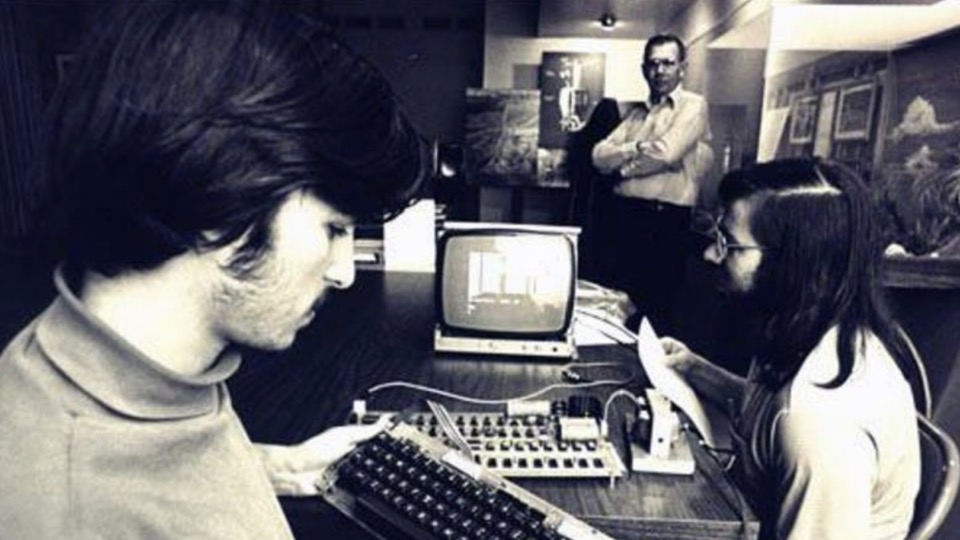
I’ve obsessed about all things Apple for more than 20 years. When asked for Apple’s defining achievement, I’m tempted to talk about the iPhone. In reality, the answer is much deeper than a single product. Apple’s true achievement is the culture Jobs instilled that made the Mac and iPhone possible and has sustained the business long after the launch's. As Apple looks toward the decades ahead, investors can rest easy knowing that Jobs’ product discipline remains embedded in the culture, and that culture will be the foundation for future hit products.
Read more
Themes
Gene Munster, Brian Baker
2025 Was the Year of the Robotaxi: Where Do We Stand Today?
A lot happened in 2025 when it comes to robotaxis, which makes it fitting to mark where things stand today between Waymo and Tesla. This year, Waymo moved beyond the pilot phase and entered the scaling phase, with a fully driverless service operating in five US cities and a fleet of around 2.5k vehicles. Tesla’s Robotaxi is running a fleet of around 50 vehicles, largely supervised in Austin and the Bay Area. While Waymo has the lead, the market remains nascent, likely exiting 2026 with about 1% of rides in the US, which means Tesla has plenty of time to catch up. For 2026, it will all come down to how the no safety driver Austin test goes. If that goes well, look out Waymo.
Read more
Autonomous Vehicles
,
Google
,
Tesla
Gene Munster, Brian Baker
The AI Trade Keeps Shrugging Off Good News
For the past month the market has been nervous that the AI bull market may be approaching an end. The latest pulse on that topic came this week from AWS re:Invent 2025. Amazon's message was clear, they are accelerating its AI buildout and agents will have a profound impact on the future of work. Unfortunately the market is not buying it, with shares of AMZN, GOOG, NVDA, MSFT, and META down an average of 0.5% in the day following the bullish comments from Amazon, while the Nasdaq is flat.
Read more
Amazon
,
Artificial Intelligence
5 Things That Happened This Week That Tell Us We’re Still Early in AI
The market appears to be looking past the facts about how quickly AI is advancing, evidenced by NVDA shares being down 3% following better than expected earnings and guidance and the Nasdaq falling 2% over the past five trading days.…
Read more
Artificial Intelligence
Gene Munster, Brian Baker
Pricing History of Paid Consumer Apps Is Good Long-Term News for Chatbots
One nagging question around AI is what the long-term business models will look like and whether these companies will be able to charge enough to become profitable. We looked at the ten most popular paid consumer subscription apps to get a better sense of historical pricing power. On average, their prices have increased 1.7% faster per year than the rate of inflation. The bottom line: this is good news for ChatGPT, Grok, Gemini, Claude and Perplexity, because it shows that if you get consumers hooked, you can gradually start raising prices.
Read more
Artificial Intelligence
,
Google
,
Netflix
,
OpenAI
,
Twitter
Gene Munster, Brian Baker
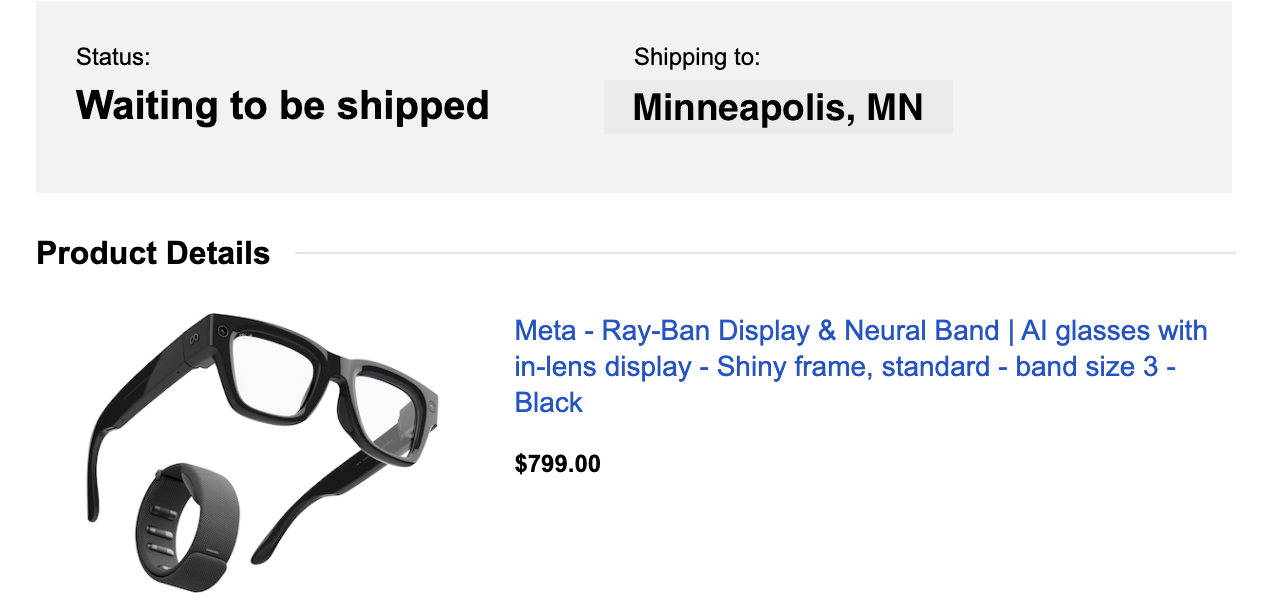
My Meta Ray-Ban Display Demo Shows Promise, but Mass Adoption Remains a Long Way Off
The road to purchasing Meta Display led through a local Best Buy, where a mandatory demo was required to ensure proper fitting. In the end, I found the technology impressive, the use case still limited, and the fashion grade below average. The bottom line: Meta is making the right move by investing $20B annually into Reality Labs, but the return on that investment will take years.
Read more
Artificial Intelligence
,
Meta
,
Wearables
Gene Munster, Brian Baker
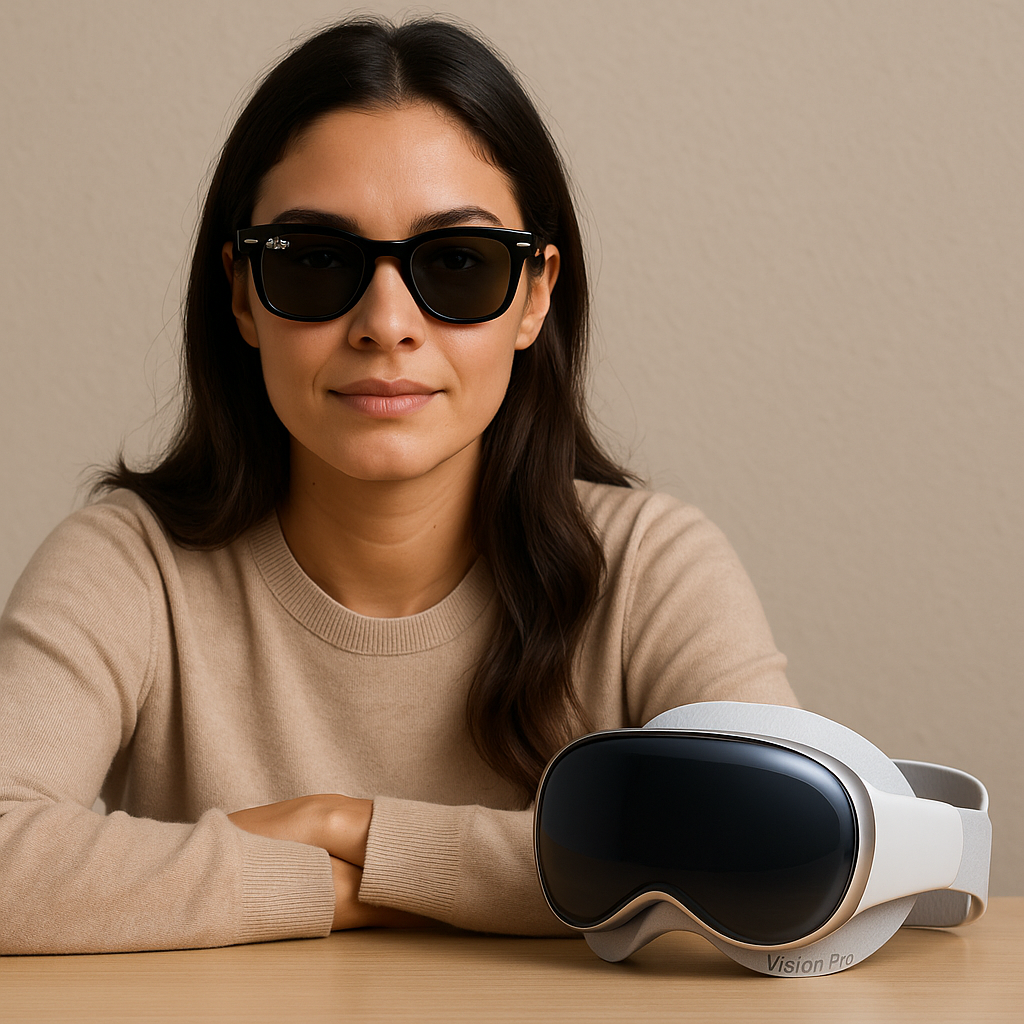
Vision Pro’s Exit Shows the Race to Build the Optimal AI-First Device Is Wide Open
Apple’s decision to shelve Vision Pro in favor of glasses underscores that the optimal AI-first form factor is still unsettled. Apple is now following Meta’s push into glasses, while Jony Ive joined OpenAI in May to pursue a different path: a screenless pocket companion. I believe the phone will remain the dominant AI-first device over the next three years. Beyond that, the shift will move toward pocket companions that work alongside phones and watches. Glasses, despite Apple’s pivot, are likely capped at a few hundred million units a year, limited by comfort, privacy, and fashion.
Read more
Apple
,
Meta
,
Wearables
Gene Munster, Brian Baker
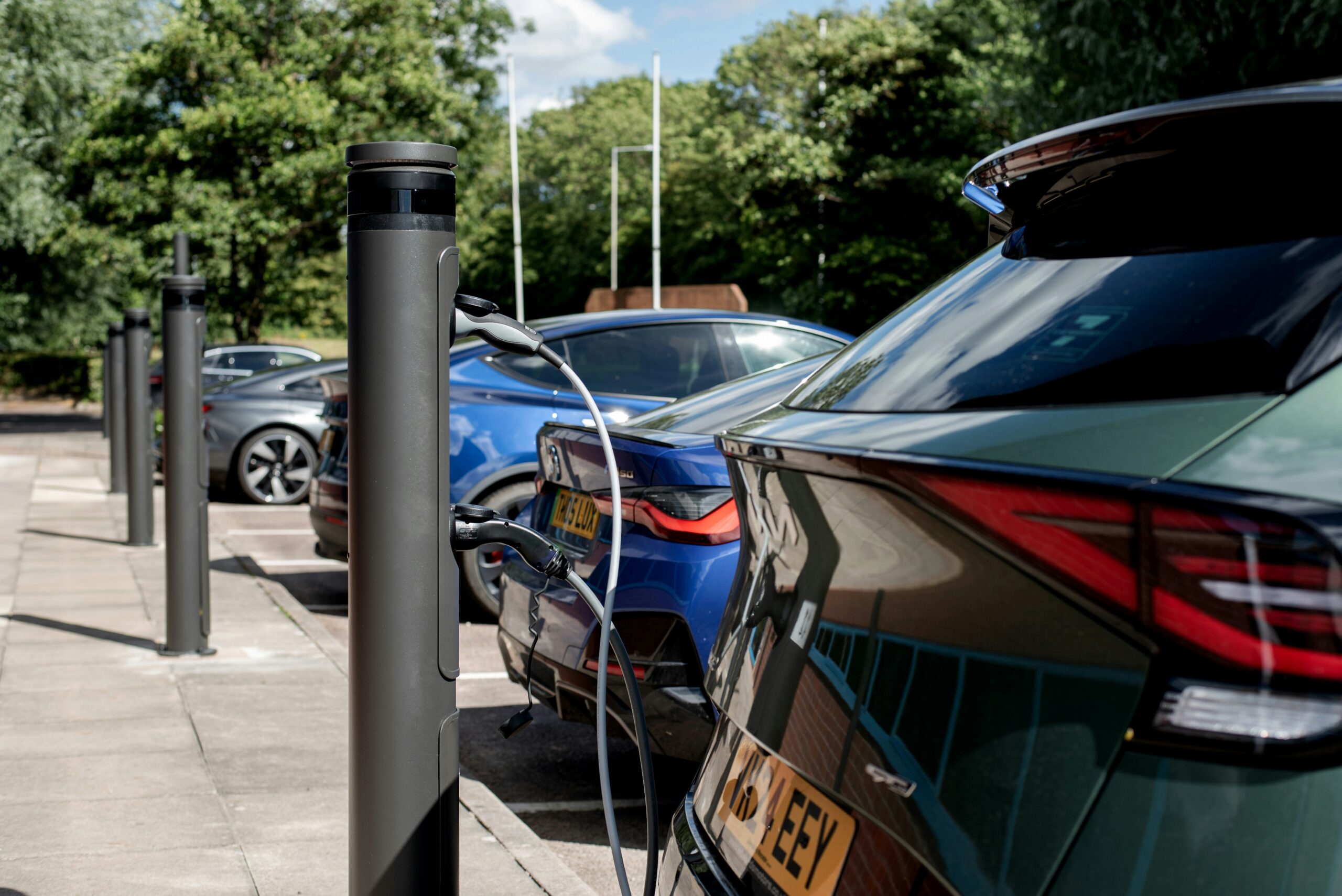
Ahead of the EV Tax Credit Sunset, Big Auto Faces an EV-Autonomy Catch-22
At the end of the month, the U.S. EV tax credit will sunset, which may explain why in August Ford and GM reset their EV plans and in September VW cut its U.S. 2030 EV target to 20%, down from 50% three years ago. This tempered EV outlook contrasts with increasing investments into autonomy, pushing these companies into a Catch-22: saving money by slowing the path to electrification dampens the autonomy reward.
Read more
Autonomous Vehicles
,
Google
,
Ridesharing
,
Tesla
Gene Munster, Brian Baker
Oracle’s OpenAI Deal Underscores How Early We Are in AI
At the surface: Oracle’s historic $300B contract with OpenAI cements Oracle’s position as an AI hyperscaler. Below the surface: The deal underscores just how early we are in AI, and how massive the infrastructure layer will prove to be. That foundation will power AI-native companies, which in turn will reshape industries and change the world.
Read more
Artificial Intelligence
Load More
Back To Top
Search