The Case That OpenAI Is Overvalued
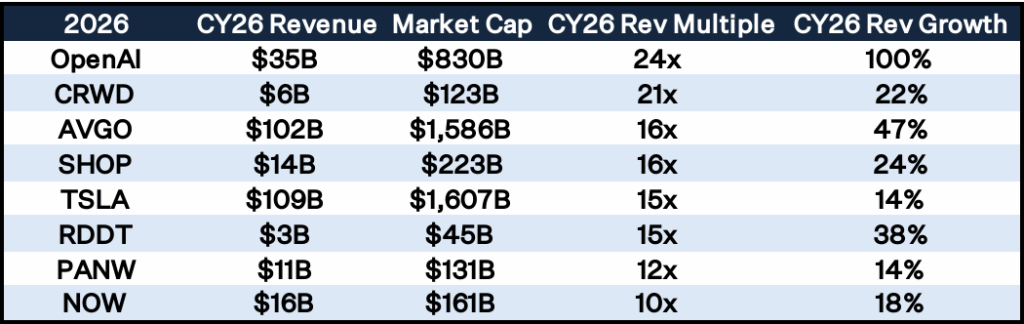
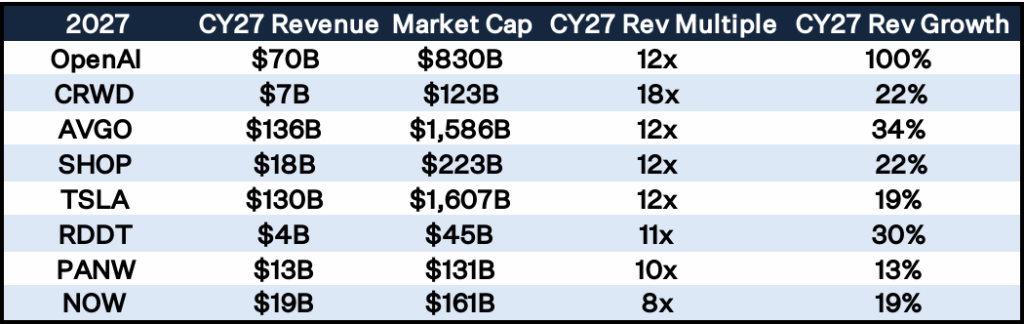
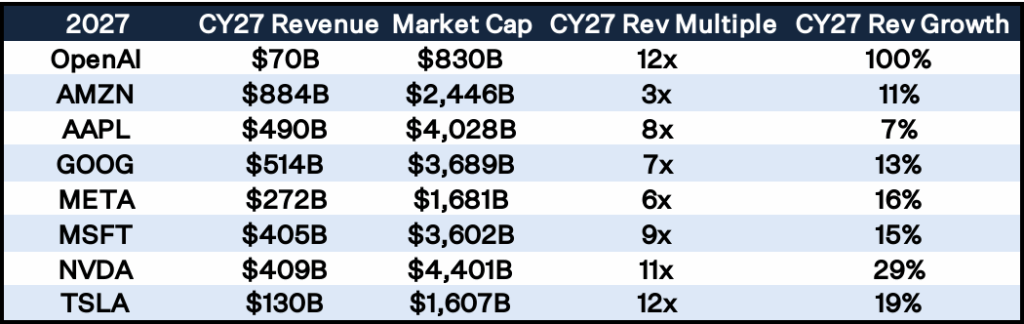
OpenAI’s skyrocketing valuation naturally invites doubt. The company’s valuation surged from roughly $30B in 2022 to about $500B this fall and is expected to reach $830B by the end of March (WSJ), representing roughly a 27x increase over four years. This jump has coincided with feverish excitement around AI, along with rising investor concerns that expectations (and valuations) may be running well ahead of reality.
Another red flag is the level of hype surrounding AI. We’ve seen venture investors, the media, and corporate messaging all proclaim AI as the next revolution. We see it in our venture practice, with early-stage valuations on average 2.5x higher today than three years ago. With all of the mark ups, its making it harder to separate long term winners from fad chasers.
OpenAI’s financial outlook also gives pause. Based on rumored reports of internal forecasts, OpenAI will likely lose between $100-$150B from 2025-2029. That said, in the coming years the company should pull in enough cash from investors like Nvidia and others to cover the losses. These steep losses reflect huge spending on computing infrastructure and talent. For an investor, funding a business that might not break even until the end of the decade, if all goes well, is a daunting prospect.
History provides further reason for caution. The late ’90s tech boom was filled with apparent winners that ultimately disappeared. Netscape Navigator once dominated web browsing; Lycos was a leading search portal; Pets.com symbolized the online buying frenzy. Yet two decades later, none of these darlings survived. The lesson is that being early in a transformative tech wave is no guarantee of long term victory, and the hype can propel early “winners” that later fade away.
Finally, the war for talent in AI is intensifying and could undermine OpenAI’s edge. The company’s leadership in generative AI makes its top researchers and engineers prime targets for deep-pocketed competitors and the lure of jumping ship to start the next big thing. We’re all aware of how much Meta is spending on its superintelligence lab to bring in AI experts. As more companies (from startups to giants like Google and new AI-first companies like xAI) seek talent, salaries and stock grants will continue to skyrocket. OpenAI may struggle to retain its best people, which feeds back into the high-cost, high-burn concern. The bottom line is the bear case has merit: a big valuation, AI hype, big losses, echoes of a tech bubble, and fierce competition for the people who drive innovation.