
Skip to content
Investors Give Musk a Mandate: Go for It
Tesla
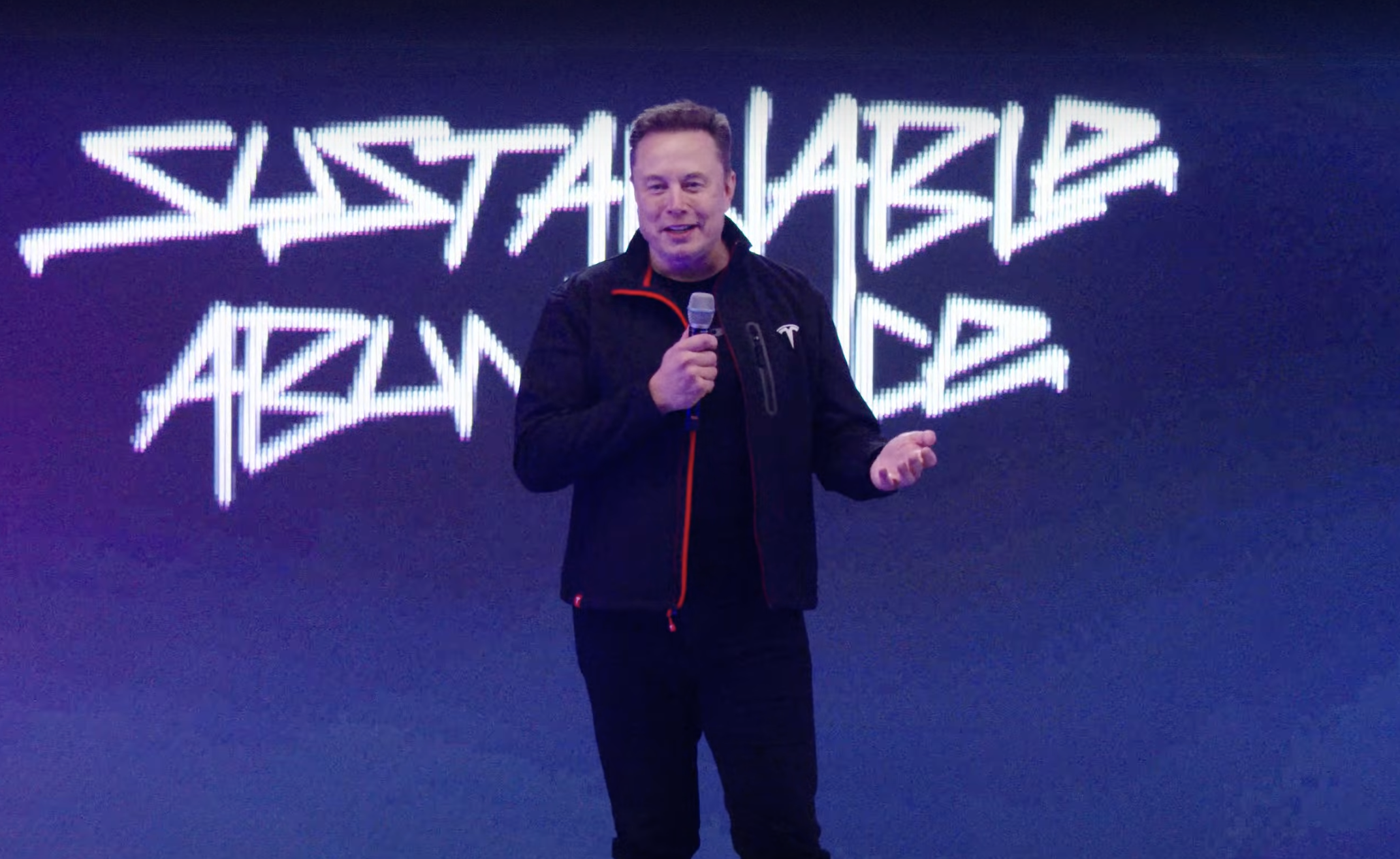
The shareholder meeting was a good day for Elon. Investors overwhelmingly approved his $1T pay package with more than 75% in favor. That's a win for TSLA investors for two reasons. First, it gives Elon the control and financial carrot he wanted, which means he will stay engaged at Tesla. Second, the high level of support likely means investors will continue to look past near-term challenges and stay the course with hope for the long term. Elon made it clear that the long term is anchored in the success of Optimus. Separately, during Musk's presentation and Q&A, he floated the idea of building a fab, an outcome I put in the unlikely category over the next five years.

Key Takeaways

Investors sent a message to Elon: we are with you. That means when Tesla has a rough quarter, the stock likely won't get punished as much as expected.
Other new topics included the importance of silicon and the potential to build a fab, an outcome I believe is unlikely.
Next year the company will start production on Cybercab, Optimus, and Semi. I expect Cybercab to begin ramping in 2027. The increase in capacity depends on the supply chain.
1

Investor support

Going into the shareholder meeting, I felt the pay package would be approved, but not by the wide margin of victory it enjoyed. I was expecting the vote to end 55-60% in favor, well below the actual result of more than 75% support. While highlighting the percentage of support may seem like an irrelevant detail of the meeting, I believe it’s important because it speaks to the buy-in that both retail and institutional investors have regarding Musk’s mission. That means when the company reports an ugly transitional quarter, shares will likely have some kind of built-in buffer.

The vision investors are buying into is largely based on Optimus, as evidenced by Elon’s opening remarks focusing on the humanoid’s potential, marking the start of a new book in the Tesla story rather than just a new chapter. My take is Elon has articulated perhaps the boldest target yet: making Optimus the majority of their business. That’s a smart move given it’s so far out there that it’s hard to be held too accountable for near-term progress, and there’s little chance any company has both the guts and balance sheet to challenge Tesla in building the same vision.

As for the impact on numbers, if Tesla can sell 10m Optimus units a year, the goal for Austin production, at $30k each, that would add $300B in annual revenue. For next year, the Street is looking for about $150B in revenue. If you grow that $150B at 10% a year, by 2035 it would reach just under $400B. If in 2035 they sell 10m Optimus, that would add another $300B. What’s noteworthy is we’re talking about numbers 10 years down the road, which underscores that this is a long-term vision.


2

Silicon and production

As Musk laid out his long-term vision and Tesla’s next book, he made it clear that chips will be an important limiting factor. He continued to pull on the string that Tesla is close to making a breakthrough in silicon that can be used for everything from FSD to Optimus, while at the same time praising Nvidia for the quality of their GPUs.

My takeaway is that Tesla will be dependent on Nvidia for the foreseeable future. Cracking the code and building a GPU as powerful as Blackwell at one-tenth the cost would be a monumental moment in the world of silicon. While that may be Musk’s goal, getting there will likely take years.

As for production, Musk said Tesla will be working with TSMC for now and may either build its own fabs later or work with a partner like Intel. Intel shares traded up 3% on the comment, with Nvidia shares up 0.7%.

3

New Products

Following the September earnings call, it was clear that 2026 would be a big year for new products. Musk outlined that Cybercab production would begin in April (on the last earnings call he said the second quarter), and Optimus and Semi would also begin production.

Of those three, Cybercab is the most likely, if any at all, to ramp in 2027. Elon mentioned that the ramp would depend on regulatory approval, and we know how elusive that milestone has been despite the fact that Tesla FSD-enabled vehicles are safer than human-driven vehicles.

The timing of the Optimus ramp, which I put at 500k or more a year, is still in my book three or more years away. As for the Semi, it’s too small to matter, as it could add around 5% to overall sales in 2028.

Disclaimer

Back To Top