
Skip to content
Apple Effectively Suing Jony Ive Speaks to the Importance of AI Devices
Apple, OpenAI
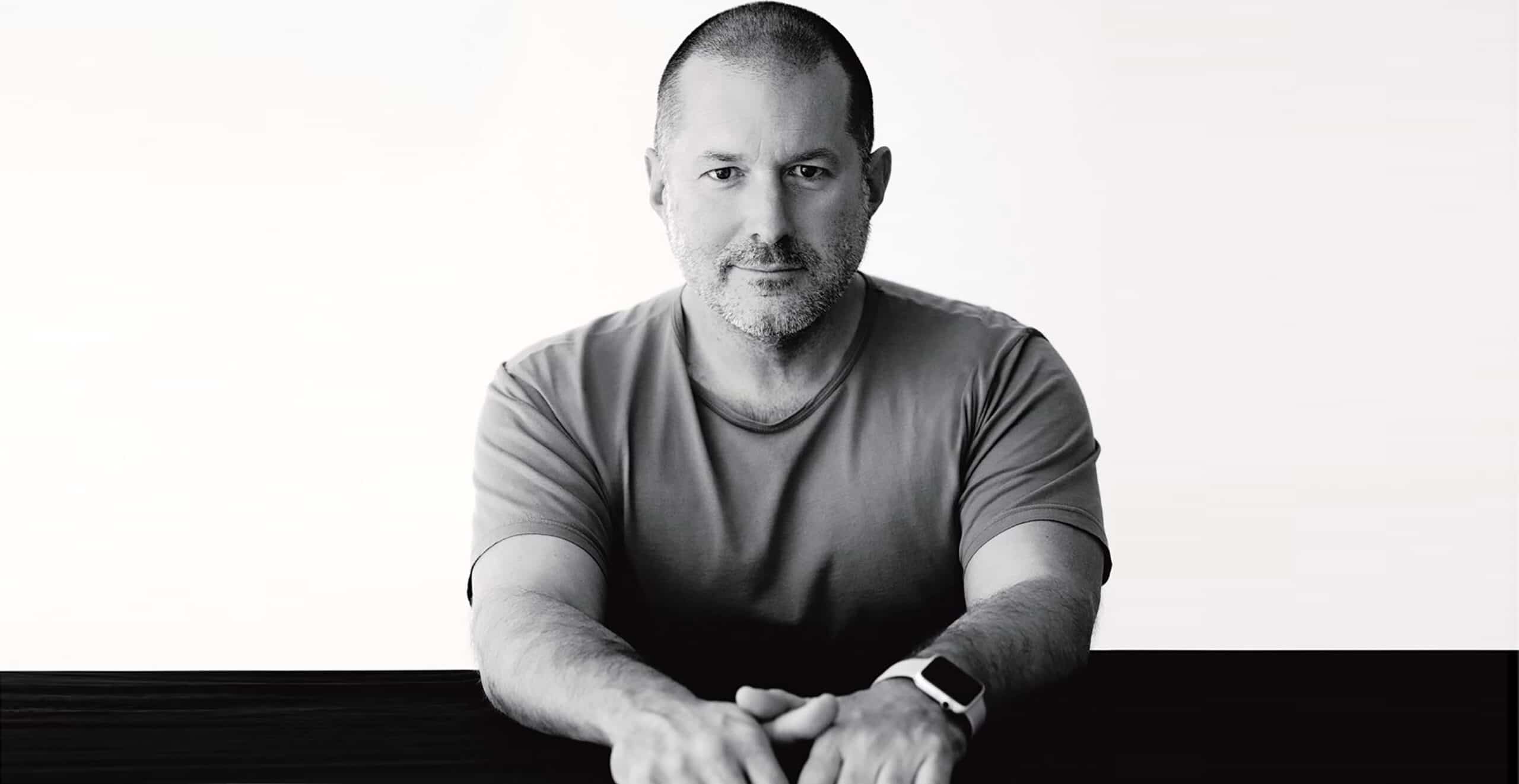
The news that Apple is suing OpenAI to short-circuit OpenAI’s AI device initiatives has a wild undertone: Apple is effectively suing Jony Ive. While the complaint’s person of focus, OpenAI’s Tang Tan, does not report to Jony Ive, the two work together (Ive on design, Tan on hardware) to develop OpenAI’s future AI devices. If Apple deemed AI devices a hobby, it’s unlikely they would have taken this aggressive action against Ive’s initiatives. Bottom line: this is a win for Apple because, at a minimum, this will slow OpenAI’s efforts. At a maximum, it will end their device efforts. As for OpenAI, I’ve always viewed the hardware opportunity as optionality. Therefore, the setback has less of an impact on the company’s near-term valuation.

Key Takeaways

Apple cares a lot about the future potential of AI devices, as evidenced by its willingness to go after Jony Ive, one of the greatest contributors to Apple’s success.
While this could be interpreted as the beginning of the end for OpenAI, the reality is they’ll still make AI devices, and their core model opportunity remains largely unchanged.
1

AI Devices

The topic of AI-first devices took a step forward when Jony Ive joined OpenAI back in May of 2025. Since then, we’ve heard little from OpenAI about what they’re working on, with the majority of the tech industry gravitating to the theme that the phone is the optimal AI device. Underneath the surface, Apple’s former number two in hardware, Tang Tan, missed out on the opportunity to run AI hardware to the now-CEO, John Turnus. One interpretation of the lawsuit is that Tang Tan had bad blood with Apple and retaliated by stealing trade secrets. This view would suggest Apple’s primary motive was to police any and all of its IP, and was less of a sign of their longer-term plan around AI devices.

It’s important to note that IP theft is common in tech, to a level that these tech companies could be in perpetual lawsuits. In my perspective, the fact that Apple is going this hard after Tan underscores more than retaliation. It signals a belief that Apple sees a future where it’s important for the iPhone to leverage new AI devices. The most obvious for Apple is AirPods with cameras. The point is, it appears Apple’s AI hardware roadmap won’t be exclusively based on the iPhone.

2

What does this mean for OpenAI?

When Apple enters a legal fight, they rarely lose. Look no further than their effective wins against Samsung (2018), Epic (2024), and Masimo (2026). It’s important to note that Apple’s legal focus is OpenAI hardware, which currently is not on the market. This segment gathered energy in December 2025, when, during a press tour in New York, Altman talked about the company building “a small family of devices” and said they were important but not central to OpenAI’s future.

A secondary question is, what does this mean for OpenAI’s last private valuation of $852B (April 2026)? While the lawsuit with Apple is directionally negative for OpenAI’s valuation, its impact is small compared to the progress the company is making with Codex, its competitor to Anthropic’s Claude Code. This year, OpenAI has been successful at prioritizing Codex to gain share from Claude Code. While OpenAI’s valuation lags Anthropic’s latest round ($965B, May 2026), its valuation in the next 1-2 years will be driven by the success of Codex, not any hardware product.

The biggest risk to OpenAI is around talent. If the Apple lawsuit becomes a recruiting headwind, or results in brain drain, the impact to the company would go beyond any future hardware revenue potential.

Disclaimer

Back To Top