
Skip to content
The Bark Is Bigger Than the Bite When It Comes to Apple and India Tariffs
Apple
Trump’s mention of tariffs on Indian products rising “very substantially over the next 24 hours” (currently at 25%) could have an additional 4% negative impact on operating income if India raises tariffs to 50% and Apple fails to secure an exception to reciprocal tariffs. Ultimately, I expect cooler heads to prevail, with the Trump administration granting favorable tariff treatment to Apple and Nvidia, reducing the overall impact to de minimis.

Key Takeaways

President Trump's threat to raise tariffs on India due to its oil trade with Russia could significantly impact Apple, which now manufactures most US bound iPhones in India. I estimate this would increase Apple's annual tariff related costs to $10B and reducing operating income by 7% if India moves to a 50% tariff.
In the end, I expect Apple will be largely or entirely exempt from the tariffs. While no company is “too big” to avoid tariffs, Apple orbits at a higher level. Apple’s success reflects well on US innovation more broadly. Trump knows this, and I believe he will ultimately work to ensure Apple doesn’t feel much, if any, of the long-term tariff pain.
1

Sensitivity Impact

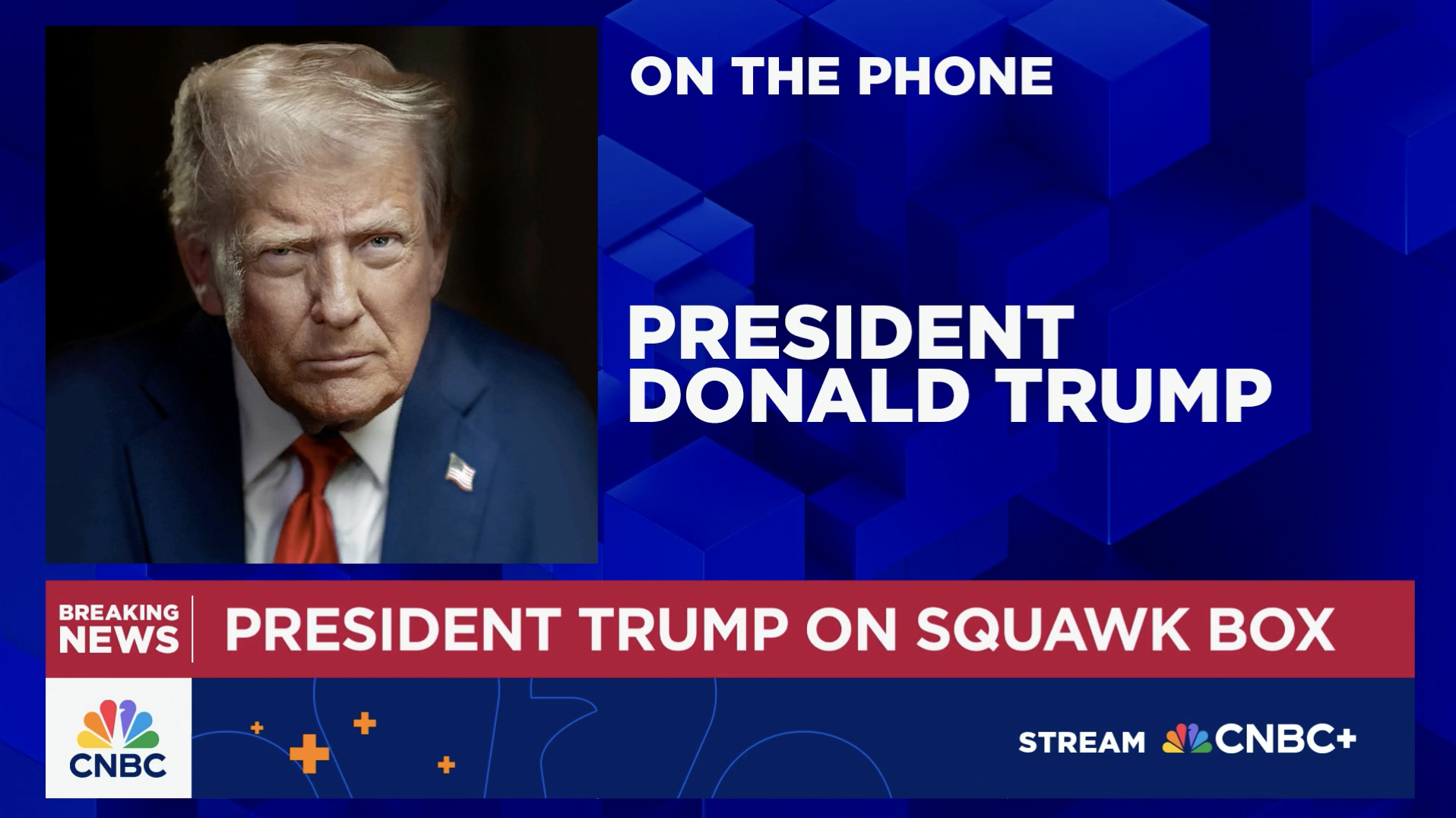
This morning on Squawk Box, President Trump suggested tariffs on India may be going up soon. He commented that “We settled on 25%, but I think I’m gonna raise that very substantially over the next 24 hours” if India does not reduce the oil that it is buying from Russia. Caught in the crossfire is Apple, which over the past two years has moved iPhone manufacturing that supplies the US from China to India in an effort to reduce the impact of tariffs.

Some key datapoints on the topic from the recent June quarter:

  • I estimate 35% of sales came from the US. They reported that 40% came from North America.
  • On the June call, CFO Kevin Perak said “the vast majority of the products,” including iPhone, Mac, and iPad, were made outside of China.
  • I believe a reasonable estimate for “vast majority” is 70%.
  • That means that 11% of overall revenue was tariffed in June, and that resulted in $800M in tariff-related costs. Basically, operating income declined by about $800M, which was a negative 2% hit.
  • Guidance for September calls for $1.1B in tariff related costs, which I believe factors in India going from being exempt from reciprocal tariffs to a 25% tariff starting on August 1.
  • That means two of the three months of the quarter were impacted by higher India tariffs. If it were a full quarter, the impact would likely have been closer to $1.5B.
  • As for a sensitivity, if the India tariff were to jump to 50%, that would increase the tariff-related costs to around $2.5B per quarter (for all three months). If you annualize that, it comes to $10B in tariff-related costs, or about an 7% impact to operating income. The incremental part of that is an additional 4% hit to operating income.
2

Expecting Favorable Tariff Treatment

Since mid May, Trump’s rhetoric around Apple has grown more confrontational. In at least five public comments, Trump and advisor Peter Navarro have targeted Apple’s reliance on overseas manufacturing or pushed the company to make iPhones in the U.S. Navarro’s July remark that “Apple thinks it’s ‘too big to tariff’” underscores the narrative shift: Apple may no longer be immune from trade pressure.

Still, Apple’s importance complicates matters. As a symbol of U.S. innovation and global tech leadership, Apple plays a role in how American competitiveness is perceived abroad. Even as Trump threatens tariffs, I believe the likelihood of Apple facing full exposure remains low. History suggests that exemptions or behind-the-scenes arrangements are likely, especially given the political and economic optics of harming a flagship U.S. brand.

Disclaimer

Back To Top